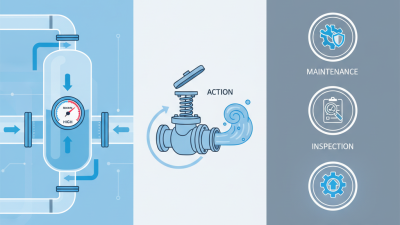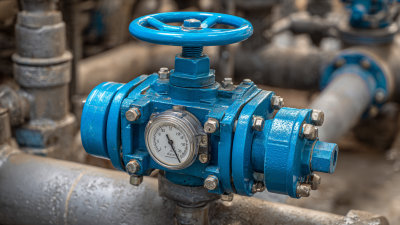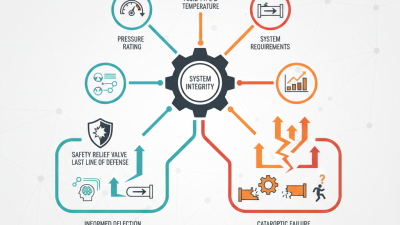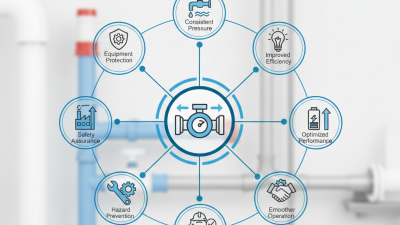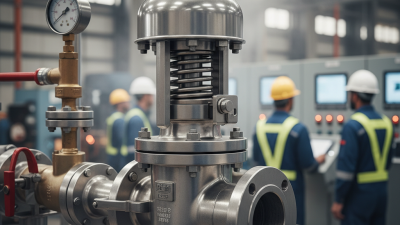
Choosing the best relief valve for global service is not a simple catalog exercise. It requires process knowledge, credible calculations, and careful attention to installation conditions. A spring-loaded relief valve may suit a stable steam line. A pilot-operated design may perform better on large gas vessels with changing backpressure. Rupture discs can add fast, non-reclosing protection. The right choice depends on the failure scenario.
Dr. Sam Mannan, a respected process-safety authority, often reminded engineers, “Safety is not expensive; it is priceless.” That principle remains highly relevant in 2026. A relief valve must protect equipment without creating unnecessary leakage, maintenance, or production losses. Buyers should compare set pressure, capacity, temperature range, materials, discharge behavior, and inspection access. They should also verify applicable requirements, such as ASME, API, ISO 4126, or local certification rules.
Small details matter. A stainless-steel trim may resist a corrosive fluid. A balanced bellows design can reduce backpressure sensitivity. A pilot valve may improve accuracy, but it can need cleaner instrument connections. That weakness is easy to overlook. So is poor discharge piping. A technically excellent relief valve can perform badly when installed with excessive pressure loss or an unstable outlet arrangement.
This guide reviews the best relief valve types for global buyers in 2026. It considers safety, lifecycle cost, availability, and practical field experience. No single valve wins every application. Sometimes, the most expensive option is unnecessary. Sometimes, the cheaper option is a false economy. Reliable selection begins with the actual process, not the product brochure.
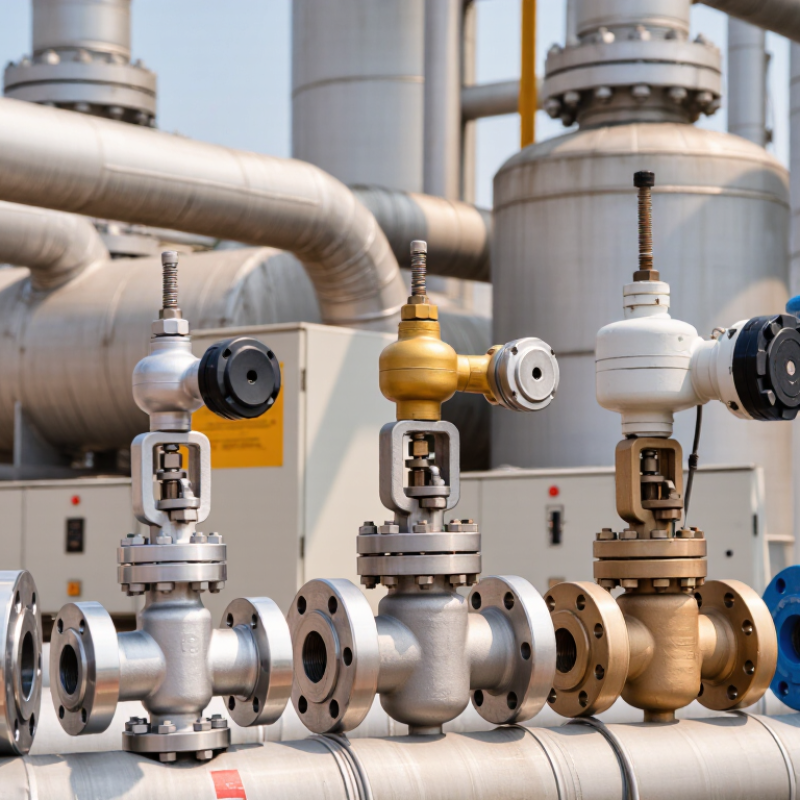
Relief valves protect equipment when pressure rises beyond a safe limit. They are installed on boilers, pipelines, storage tanks, and process vessels. When pressure reaches the set point, the valve opens and releases fluid. Pressure then falls toward a safer operating range. Simple in theory.
A spring-loaded relief valve reacts directly to system pressure. It suits many stable, clean services. A pilot-operated valve can handle higher flow and tighter pressure control. However, dirty fluid may affect its pilot system. A rupture disc opens once and must be replaced. It is fast, but it does not reseat. During field inspections, engineers often find blocked discharge lines, incorrect set pressures, or corrosion under the spring. These details matter.
Global demand is also expanding. MarketsandMarkets’ 2024 Pressure Relief Valve Market report estimates growth from about USD 4.7 billion in 2024 to USD 6.3 billion by 2029. API 520 provides sizing guidance, while API 521 addresses pressure-relief scenarios and disposal systems. ASME BPVC Section VIII supports vessel protection requirements. Buyers should verify pressure, temperature, fluid phase, backpressure, materials, and required capacity. Do not select by connection size alone. A neat datasheet is not enough. The uncomfortable point is that even a correctly sized valve can perform poorly when maintenance, installation, or discharge routing is overlooked.
2026 Best Relief Valve Types for Global Buyers
Spring-loaded relief valves remain a practical choice for vessels, pipelines, and general process equipment. Their simple design supports quick inspection and easier maintenance. They respond directly to pressure changes through a calibrated spring. This suits clean fluids and moderate operating conditions. However, vibration, back pressure, or incorrect adjustment can affect performance. Field maintenance teams often check the set pressure after installation and during scheduled shutdowns.
Pilot-operated relief valves handle higher pressures and larger flow requirements. They are useful on storage systems, long pipelines, and process units with changing pressure conditions. A pilot controls the main valve, allowing accurate operation near the set point. These valves can reduce leakage during normal operation. They also demand clean sensing lines. Small blockages may create serious problems. That detail is easy to overlook.
Pressure vacuum relief valves protect tanks from overpressure and vacuum conditions. They commonly serve atmospheric or low-pressure storage tanks containing liquids or vapors. Rupture discs provide fast, non-reclosing protection when sudden pressure spikes threaten equipment. They work well with corrosive, sticky, or contaminated media, but replacement is required after activation. Selection should consider temperature, fluid behavior, discharge capacity, materials, and local safety requirements. A qualified engineer should verify sizing. “Universal” choices rarely perform universally.
Global buyers should compare relief valves by operating evidence, not catalogue appearance. The 2024 MarketsandMarkets pressure relief valve report forecasts market growth of roughly 5% annually through 2029. That growth reflects stricter process safety needs, but it does not make every valve suitable.
Check set pressure, relieving capacity, blowdown, response time, and leakage rate. Ask for certified test curves at your actual temperature and backpressure. A valve sized for clean steam may behave differently with viscous liquid or flashing service. Built-up backpressure matters. So does frequent cycling. A small error can become expensive.
Material selection must follow the fluid, temperature, and corrosion mechanism. Stainless steel may resist general corrosion, while nickel alloys may suit aggressive chemical exposure. Carbon steel can be practical in controlled environments, but coating is not a universal solution. Review body, trim, spring, and gasket materials separately. This step is often rushed.
“ For certification, compare ASME BPVC Section VIII, API 520 and API 526, ISO 4126, and the European Pressure Equipment Directive when applicable. Certification should cover the complete assembly, not only the body. Request traceable material certificates, calibrated test records, and inspection reports. The European Commission’s PED framework emphasizes conformity assessment and technical documentation. In practice, paperwork can look complete while test conditions remain unclear. I would question any supplier that cannot show the test medium, temperature, set pressure, and acceptance criteria.
2026 Best Relief Valve Types for Global Buyers
Global Buyer Guide to Sizing, Standards, and Installation Requirements
Global buyers need more than a valve catalog. Relief valve selection begins with the hazard, not the connection size. Spring-loaded designs suit many conventional duties, while pilot-operated designs may handle higher pressure ratios. However, their sensing lines need protection. Define the protected volume, fluid phase, relieving temperature, set pressure, and required discharge capacity. For gases, compressibility and backpressure affect the calculated orifice area. For liquids, viscosity and flashing can change performance. Steam service needs different capacity data. Small details matter. An experienced engineer should verify the governing design case, including fire exposure or blocked outlet scenarios.
Ask which standard governs the installation. ASME Section VIII, API 520 and API 521, and ISO 4126 are common references, but acceptance rules differ by jurisdiction. Some projects also require local pressure-equipment regulations, material certificates, and witnessed testing. Do not treat a familiar certificate as universal approval. Confirm set-pressure tolerance, capacity certification, materials, and documentation before purchase. For corrosive or sour service, check trim compatibility and published limits. Paperwork is part of safety.
Install the valve in the approved orientation, usually vertically, with a short, adequately sized inlet. Excessive inlet pressure loss can cause instability or chatter. Discharge piping must manage reaction forces, drainage, noise, and safe vent routing. Keep isolation valves locked open or interlocked, where permitted by the governing code. Field alignment deserves attention. A pipe that pulls on the body may create leakage after thermal expansion. Commissioning should record cold differential test pressure, actual backpressure, and functional checks. Yet calculations are not infallible; dirty service, uncertain flow data, or future process changes can undermine a neat selection. Review those assumptions openly.
Global buyer guide to sizing, standards, and installation requirements
API 526 standardized effective orifice areas are shown in square inches. The area designation helps buyers compare standardized pressure-relief valve capacity options, but final selection must be based on the certified relieving scenario, set pressure, backpressure, fluid properties, temperature, and applicable code calculations.
Use API 520 calculation methods or ISO 4126 requirements as applicable. Check required relieving capacity, accumulation, built-up backpressure, superimposed backpressure, and installation losses.
ASME Section VIII covers pressure-vessel protection in many jurisdictions. API 520 addresses sizing and selection, API 521 addresses pressure-relieving and depressuring systems, and API 526 defines standardized flanged steel valve dimensions.
Keep inlet pressure loss low, support discharge piping independently, provide suitable drainage, prevent blockage, and manage isolation valves according to the governing code and site procedures.
In 2026, relief valve selection is moving beyond simple pressure matching. Buyers now compare spring-loaded, pilot-operated, and balanced designs against real operating conditions. The correct choice starts with set pressure, allowable working pressure, temperature, fluid phase, and required discharge capacity. These details should come from current drawings, operating records, and verified equipment data.
Spring-loaded valves suit many stable applications with clean fluids and moderate backpressure. Pilot-operated valves may provide tighter control in large systems with changing pressure loads. Balanced bellows designs can reduce backpressure effects, especially in connected discharge systems. For corrosive or contaminated media, material compatibility deserves close attention. A small error matters.
Selection trends also include remote position monitoring, easier testing, lower emissions, and clearer maintenance records. These features improve visibility, but sensors cannot replace physical inspection. During commissioning, technicians should verify the set pressure, discharge route, isolation arrangements, and drainage points. Field inspections often reveal blocked outlets, unsuitable seals, or incorrect assumptions about operating temperature. I have seen specifications copied from older projects, even when the process had changed. That habit needs more reflection. Buyers should review local pressure equipment requirements and request traceable test certificates before approval.
Comparative selection guide based on operating principle, pressure-control requirements, backpressure conditions, media, temperature, maintenance needs and commonly referenced international design practices.
| Relief Valve Type | Operating Principle | Typical Applications | Indicative Set-Pressure Range | Typical Temperature Capability | Backpressure Suitability | Main Advantages | Key Limitations | 2026 Selection Trend |
|---|---|---|---|---|---|---|---|---|
| Conventional Spring-Loaded Safety Valve | A calibrated spring holds the disc closed until system pressure reaches the set pressure; the valve then opens to discharge excess pressure. | Steam, air, gas, liquid and general process equipment; pressure vessels, boilers, piping and utility systems. | Approximately 0.1 to 700 bar(g), depending on construction, size and service. | Approximately -50°C to 550°C with suitable materials, seals and trim. | Best where built-up and superimposed backpressure are low and relatively stable. Variable backpressure can affect set pressure and capacity. | Simple design, broad availability, straightforward maintenance and comparatively low purchase cost. | Performance can be affected by backpressure, vibration, corrosive media, incorrect sizing and poor installation. | Preferred for standard services where simplicity, maintainability and cost control are important. |
| Balanced-Bellows Safety Valve | A bellows arrangement reduces the effect of backpressure on the spring chamber and opening characteristics. | Process vessels, chemical plants, refinery systems and applications with variable or elevated backpressure. | Approximately 0.5 to 400 bar(g), subject to valve design and process conditions. | Approximately -50°C to 500°C, depending on bellows material, seals and service media. | Suitable for moderate or variable backpressure; the allowable limit must be verified from certified sizing data. | More stable set-pressure behavior than a conventional design under changing backpressure; helps protect the spring from corrosive process vapors. | Higher cost and greater mechanical complexity; bellows fatigue, leakage or damage requires inspection and maintenance. | Increasingly selected for compact process plants where backpressure control and emissions reduction are priorities. |
| Pilot-Operated Pressure Relief Valve | System pressure controls a pilot valve, which hydraulically or pneumatically controls the main valve piston or diaphragm. | High-pressure gas systems, long pipelines, storage facilities, large vessels and applications requiring high flow capacity. | Commonly approximately 10 to 700 bar(g), with the actual range determined by pilot and main-valve design. | Approximately -40°C to 200°C for many standard configurations; specialty designs can extend beyond this range. | Well suited to higher and variable backpressure when correctly specified; pilot stability and sensing-line design are critical. | High capacity for a given nominal size, tight operating margins and improved resistance to simmering in many gas services. | More sensitive to contamination, blocked sensing lines, freezing and incorrect pilot adjustment; maintenance is more specialized. | Strong choice for high-capacity systems and digital condition-monitoring programs, especially where footprint reduction matters. |
| Low-Lift Liquid Pressure Relief Valve | A spring-loaded disc opens in proportion to liquid pressure and provides controlled discharge for liquid systems. | Positive-displacement pumps, hydraulic lines, liquid-filled heat exchangers and water or oil systems. | Approximately 1 to 400 bar(g), depending on liquid service, size and construction. | Approximately -20°C to 300°C with appropriate body, trim and elastomer selection. | Generally suitable for low backpressure; capacity calculations must account for liquid properties and discharge piping. | Appropriate for incompressible fluids, compact and commonly used for equipment overpressure protection. | Not normally intended for flashing, two-phase or gas service unless specifically designed and sized for that duty. | Used with more detailed fluid-property data as buyers place greater emphasis on lifecycle safety and accurate sizing. |
| Vacuum Relief Valve | Opens inward when vessel pressure falls below the specified vacuum set point, allowing air or another compatible gas to enter. | Atmospheric or low-pressure tanks, storage vessels, vents, pipelines and systems subject to cooling, draining or pump-out vacuum. | Typically set from approximately -1.0 to -0.01 bar(g), depending on the required vacuum protection. | Approximately -40°C to 250°C, subject to seat, diaphragm and body materials. | Backpressure on the inlet or outlet can change opening performance; vent routing must be evaluated carefully. | Protects tanks and vessels from collapse caused by vacuum; simple and effective for low-pressure storage systems. | Does not provide positive-pressure overpressure protection unless combined with a separate pressure relief device. | Frequently specified as part of combined pressure-vacuum protection packages for atmospheric storage tanks. |
| Thermal Relief Valve | A small relief valve releases trapped liquid that expands as temperature rises in a blocked-in section. | Blocked-in liquid piping, pump discharge sections, heat exchangers, jacketed lines and hydraulic equipment. | Often approximately 3 to 50 bar(g), but the correct set pressure depends on equipment design pressure and applicable code. | Approximately -40°C to 350°C, depending on body, seat and seal materials. | Normally installed with a short, low-resistance discharge route; backpressure allowance must be included in sizing. | Small, economical protection against thermal expansion of incompressible liquids. | Designed for thermal expansion duty, not for major fire exposure, gas blowdown or full-process overpressure events. | A common low-cost safeguard in modular skids and automated systems with many blocked-in liquid sections. |
| High-Temperature Steam Safety Valve | A spring-loaded or pilot-assisted valve rapidly opens at the set pressure to discharge steam and protect boilers or steam equipment. | Boilers, steam headers, superheaters, pressure-reducing stations, turbines and thermal-process equipment. | Approximately 1 to 300 bar(g), depending on boiler or process design and code requirements. | Approximately 200°C to 600°C, with high-temperature alloys and suitable bellows or seals where required. | Backpressure must be carefully evaluated, particularly in common discharge headers or long vent systems. | Rapid opening, high steam capacity and suitability for certified boiler and pressure-vessel protection. | Requires careful blowdown adjustment, discharge piping design, condensate management and periodic testing. | Selection is increasingly driven by energy efficiency, low-leakage performance and verified capacity certification. |
| Sanitary Pressure Relief Valve | A hygienic spring-loaded mechanism opens at a defined pressure while minimizing product retention and contamination risk. | Food, beverage, dairy, pharmaceutical, biotechnology and clean-process equipment. | Approximately 0.5 to 40 bar(g), depending on hygienic design and process equipment limits. | Approximately -20°C to 180°C for many configurations; sterilization temperature must be confirmed for each design. | Generally requires a short, hygienic and cleanable discharge path; backpressure must be included in the application review. | Cleanable construction, reduced dead space and compatibility with hygienic process requirements. | Higher purchase cost; seat wear, cleaning procedures and elastomer compatibility can affect service life. | Growing demand for clean-in-place compatibility, traceable materials and hygienic validation documentation. |
Engineering note: The pressure and temperature ranges shown are indicative selection ranges, not guaranteed operating limits. Final valve selection should be based on certified capacity calculations, relieving scenario, fluid phase, molecular weight or density, required flow rate, set pressure, allowable overpressure, built-up and superimposed backpressure, materials compatibility, discharge piping and the applicable requirements of standards such as ASME Section VIII, API 520/API 521, ISO 4126 or relevant regional regulations.