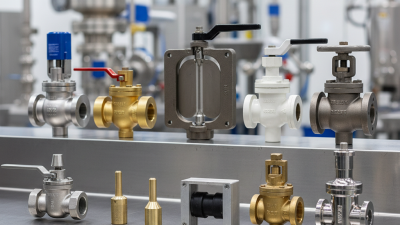
China Top 10 Control Valve Manufacturers

China’s control valve industry sits at the meeting point of process safety, energy efficiency, and industrial automation. In chemical plants, refineries, power stations, and water facilities, a control valve may adjust flow thousands of times daily. Small positioning errors can create visible pressure swings, vibration, leakage, or costly downtime.

Market evidence supports this sector’s importance. MarketsandMarkets projects the global control valve market to grow from about USD 7.1 billion in 2023 to USD 9.2 billion by 2028. Its report estimates a compound annual growth rate of approximately 5.3%. Grand View Research also identifies automation, energy projects, and stricter process requirements as major growth drivers. These figures describe global demand, not a perfect ranking of Chinese suppliers.

Béla G. Lipták, a respected process-control specialist, wrote, “The control valve is the most important final control element in a process control loop.” That observation remains practical. A polished brochure cannot replace stable throttling, accurate sizing, corrosion resistance, and responsive after-sales service. Field experience matters.

This guide examines China’s top 10 control valve manufacturers through product capability, application coverage, engineering support, certifications, export experience, and customer feedback. The list is useful, but not absolute. Public financial data varies between companies, and some manufacturers disclose limited test information. Buyers should verify pressure ratings, trim materials, leakage standards, actuator compatibility, and actual reference projects before selecting a supplier. The strongest choice is rarely the cheapest quotation. It is the valve that performs reliably beside a hot steam line, a noisy pump, or a demanding chemical process.
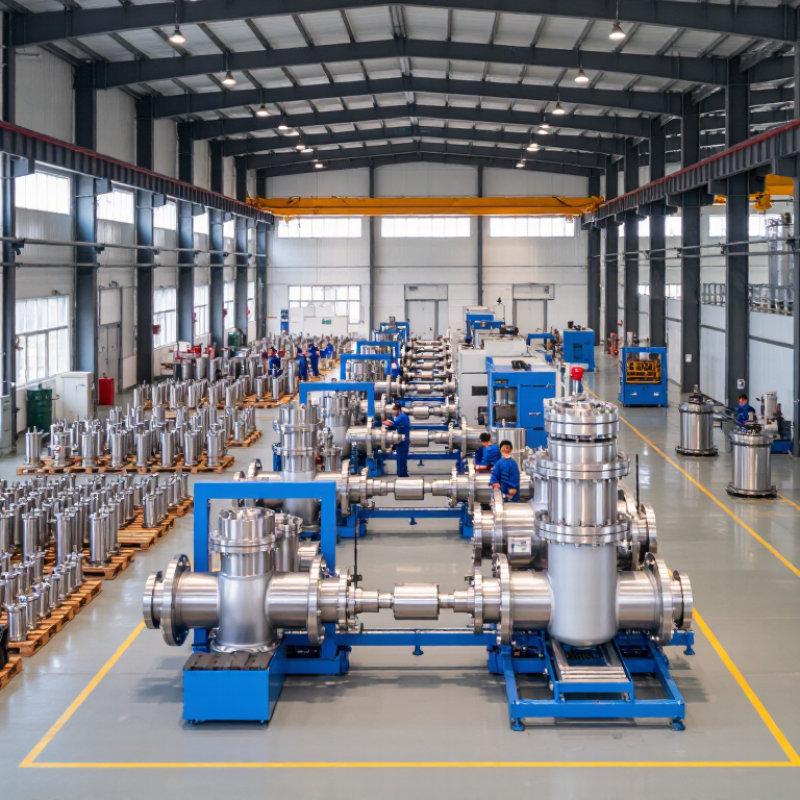
China Top 10 Control Valve Manufacturers

China’s Control Valve Industry and Its Role in Global Process Control

China’s control valve industry is becoming a practical force in global process control. Control valves regulate pressure, temperature, flow, and liquid levels across energy, chemicals, water treatment, and manufacturing. Fortune Business Insights valued the global control valve market at about USD 7.99 billion in 2023. It projects continued growth through 2032, supported by process automation and energy efficiency.

China’s manufacturing base supports this expansion. The International Federation of Robotics reported 276,288 industrial robot installations in China during 2022, representing about half of global demand. This automation ecosystem encourages local valve producers to improve digital positioners, corrosion-resistant materials, and factory testing. A valve leaving a Chinese plant may face pressure testing, leakage checks, and response calibration before shipment. That sounds reassuring. Yet quality can vary between suppliers. “Top 10” rankings also depend on revenue, exports, technology, or certification, so buyers should question simple lists.

Tips: Compare test records, material certificates, and service coverage. Request performance data under actual pressure and temperature. Check spare-part availability before installation. A lower purchase price may create higher maintenance costs later. Independent inspection remains useful, especially for critical pipelines. Some reports rely on market estimates, not audited manufacturer data. That limitation deserves attention.

Key Criteria for Evaluating Chinese Control Valve Manufacturers

China Top 10 Control Valve Manufacturers

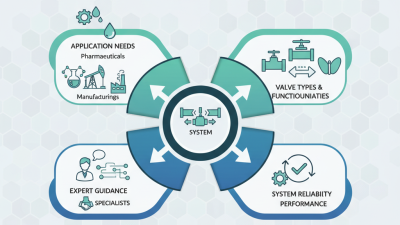
When evaluating Chinese control valve manufacturers, look beyond catalog prices. Start with product experience and engineering evidence. Check valve materials, pressure ratings, trim design, and actuator compatibility. A reliable manufacturer should provide clear drawings, inspection records, and test procedures. Factory audits can reveal practical details, such as machining accuracy, storage conditions, and calibration equipment. These details often matter more than polished websites.

Certifications are useful, but they should support real quality systems. Ask how the manufacturer controls raw material traceability, welding, surface treatment, and final testing. Review references from projects with similar media, temperatures, and flow requirements. After-sales support also deserves careful attention. Can the technical team analyze unstable flow or repeated leakage? Can spare parts arrive within a realistic schedule? No supplier looks perfect on paper. I have seen strong products weakened by vague documentation and slow communication.

Tips: Request a sample inspection report before placing a large order. Compare stated performance with independent test results when possible. Confirm the actual delivery schedule, not only the promised one. A small pilot order may expose problems early. Keep reviewing your criteria, because the cheapest valve can become expensive after installation.

Profiles of China’s Top 10 Control Valve Manufacturers

China Top 10 Control Valve Manufacturers

Profiles of China’s Top 10 Control Valve Manufacturers

China’s leading control valve manufacturers serve power, chemical, water, and process industries. Their profiles differ by engineering depth, production scale, and testing capacity. Some focus on globe valves for precise flow regulation. Others specialize in butterfly valves, rotary designs, or severe-service applications.

A reliable manufacturer should provide material certificates, pressure-test records, and traceable inspection data. Many established factories use CNC machining, digital calibration, and automated welding systems. Their testing rooms may include hydrostatic, seat-leakage, and actuator-performance equipment. This evidence matters more than impressive catalog language. It helps buyers compare actual quality.

The strongest profiles also show practical field experience. Engineers should understand cavitation, flashing, corrosion, and unstable process conditions. They should recommend trim materials based on fluid behavior, not only temperature ratings. Some manufacturers offer customized actuators and positioners for difficult installations. That can reduce maintenance work later. But no supplier is perfect. Delivery estimates can change, and technical documents sometimes need closer review. Buyers should request drawings, spare-part lists, and after-sales response terms before ordering. Factory audits remain useful, especially for large projects. Good manufacturing is visible in details: clean assembly areas, clear identification tags, calibrated instruments, and workers who can explain the test procedure.

Product Ranges, Technologies, and Industry Applications

China Top 10 Control Valve Manufacturers

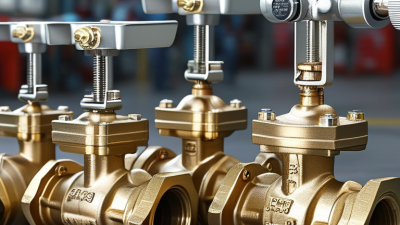
China’s top control valve manufacturers typically offer globe, ball, butterfly, diaphragm, and eccentric rotary valves. Product ranges often cover sizes from compact laboratory lines to large process pipelines. Common materials include carbon steel, stainless steel, duplex alloys, and corrosion-resistant linings. Selection depends on pressure, temperature, fluid composition, and required flow accuracy.

Technology now extends beyond basic throttling.

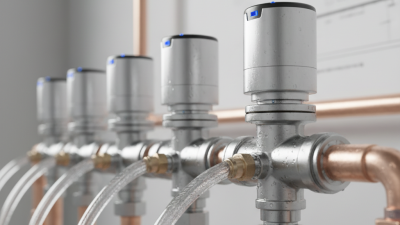
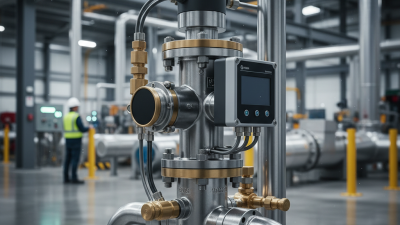
Pneumatic and electric actuators support fast, repeatable positioning. Digital positioners can record travel errors, air pressure, and response time. Some valve designs use anti-cavitation trims, low-noise cages, and live-loaded packing. Smart diagnostics are useful, but they still need accurate calibration. Poor commissioning can reduce their value.

These valves serve chemical plants, power stations, water treatment systems, food processing lines, and oil and gas facilities.

A butterfly valve may control cooling water efficiently, while a globe valve suits precise steam regulation. Diaphragm valves handle corrosive or hygienic media with fewer contamination concerns.

Field experience shows that oversized valves often hunt instead of controlling smoothly. This detail is easy to overlook. Engineers should review operating data, not only catalog ratings, before final selection.

Quality Standards, Export Capabilities, and Buyer Considerations

China Top 10 Control Valve Manufacturers: Quality Standards, Export Capabilities, and Buyer Considerations

Evaluating China’s top ten control valve manufacturers requires more than comparing prices. A reliable supplier should show a working quality system, clear inspection records, and consistent production controls. ISO 9001 certification is useful, but it is only a starting point. Depending on the application, buyers should check IEC 60534, API, ASME, or other relevant standards. Material certificates, pressure test reports, calibration records, and serial number traceability deserve close attention. Ask for real samples.

Export capability is equally important. Experienced manufacturers usually provide drawings, packing lists, certificates of origin, and test documentation without confusion. Their engineers should understand destination requirements, including flange standards, voltage needs, coating specifications, and hazardous-area documentation where applicable. A strong export team can also explain lead times honestly. That matters when a valve is needed for a shutdown project.

Buyer judgment remains essential. A video inspection can reveal machining marks, poor packing, or missing identification plates. Factory audits offer deeper evidence, although they cannot predict every future problem. Even experienced buyers sometimes accept attractive documentation too quickly. A polished certificate pack does not guarantee stable field performance. Request a control valve datasheet, actuator sizing calculation, spare-parts plan, and warranty terms before placing an order. Compare responses, not just quotations. Small omissions often become expensive delays.