How to Install Wifi Smart Switch for Home Automation?
Installing a Wifi Smart Switch can transform your home. This device gives you control over lighting, making automation easier. Imagine adjusting lights from your smartphone. It's not just about convenience; it's about enhancing your lifestyle.
In the beginning, select the right Wifi Smart Switch. Check compatibility with your home wiring. You may find some models confusing. Make sure to read the manual carefully. A little misunderstanding can lead to frustration during installation.
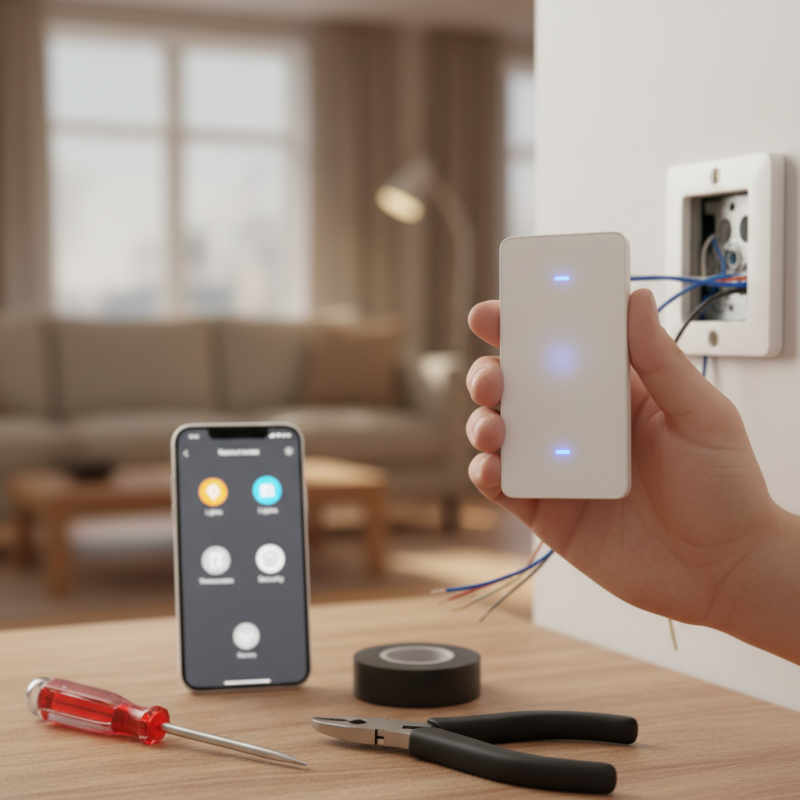
Once you have your equipment, gather tools. A screwdriver, wire stripper, and electrical tape will be essential. Safety is crucial. Turn off power before beginning. If you're unsure, consider seeking help. Mistakes can happen, and it's better to be safe. The end result should be a well-functioning switch that improves your daily routine.
Understanding Wifi Smart Switches: Key Features and Benefits
Wifi smart switches are revolutionizing home automation. They allow you to control your lights and appliances remotely. With these devices, you can manage your home's energy consumption more efficiently. Imagine turning off lights from your couch or adjusting the thermostat while at work. This convenience is appealing in today's fast-paced world.
Key features of Wifi smart switches include scheduling, voice control, and integration with other smart devices. You can set timers for lights to turn on and off, enhancing security when you are away. Voice control adds another layer of accessibility, making it easier for everyone in the household to use. However, not all switches are compatible with every smart hub. This could limit your options, and you may need to do some research.
Another benefit is the energy savings these switches offer. By managing usage, you can reduce electricity bills. However, initial setups may be challenging for some users. It could take time to figure out which features work best for your lifestyle. Overall, while Wifi smart switches enhance automation, they require thoughtful consideration during installation and daily use.
How to Install Wifi Smart Switch for Home Automation?
| Feature | Description | Benefits |
| Remote Control | Manage your appliances from anywhere using a smartphone app. | Convenience and enhanced control over your home devices. |
| Scheduling | Set timers to automate the operation of the switch. | Energy savings and routine management. |
| Voice Control | Compatible with voice assistants for hands-free operation. | Increased accessibility and ease of use. |
| Energy Monitoring | Track energy usage of connected appliances. | Helps in making informed decisions about energy consumption. |
| Compatibility | Works with various home automation systems. | Integration with existing smart home setups. |
Choosing the Right Wifi Smart Switch: Compatibility and Specifications
When selecting a Wi-Fi smart switch for home automation, compatibility is key. Ensure the switch works with your existing network. A recent industry report revealed that 68% of users faced connectivity issues. This often stems from incompatible devices. Check specifications carefully. Some switches may only support specific frequency bands.
Specifications matter, too. Look for energy monitoring features. This allows tracking energy consumption accurately. According to market research, homes equipped with smart switches can save up to 30% in energy costs. However, these features may come with a higher price tag. Balance functionality and budget accordingly.
Installation can be tricky. Some users reported confusion with wiring, resulting in frustration. Read manuals thoroughly or consult professionals. The right choice simplifies daily life, but the wrong one complicates it. Reflect on your needs; a well-chosen switch enhances your home's functionality.
Smart Switch Compatibility and Specifications
Step-by-Step Installation Guide for Wifi Smart Switches
Installing a WiFi smart switch can enhance your home automation experience. Smart switches allow remote control of lighting and appliances through your smartphone. They can improve energy efficiency and provide convenience. According to recent industry reports, smart home devices are expected to grow by over 27% in the upcoming years. This increase indicates rising consumer interest in automation solutions.
To install a WiFi smart switch, begin by turning off the power at the circuit breaker. Verify that the power is off with a voltage tester. Next, remove the existing switch plate and unscrew the old switch. Carefully take note of the existing wiring. Label each wire to avoid confusion later on. Connect the new smart switch following the color-coded instructions provided. Secure all wires tightly. Ensure the smart switch is correctly installed before turning the power back on.
Troubleshooting may be necessary. Possible issues include poor connectivity or wiring errors. Connection problems can sometimes frustrate users. If the switch does not respond after installation, check your WiFi signal strength. Signals can vary based on your home layout and device placement. Overcoming these challenges is essential for a successful implementation. Enjoy your newly automated space with a well-installed smart switch.
Configuring Your Wifi Smart Switch: App Setup and Customization
Configuring your WiFi smart switch can be an exciting yet challenging task. Begin by downloading the required app on your smartphone. Ensure you have a stable internet connection. Once the app is ready, open it and create an account if necessary. The interface usually guides you step-by-step. However, some users might find it confusing to navigate at first. Pay close attention to each prompt. Sometimes, error messages pop up unexpectedly.
Next, connect your smart switch to your home WiFi network. Choose the correct network and input the password. This step feels simple, yet many forget the password or mistype it, causing frustration. After connection, you may need to update the firmware. This process can take time; be patient. Customizing settings, like timers and schedules, follows. You can group multiple switches or set specific actions. Remember, trial and error is part of it. Adjust the settings to your preference, and don’t hesitate to explore different features. Using them may take time, but every adjustment improves your experience.
Troubleshooting Common Issues with Wifi Smart Switch Installation
Installing a WiFi smart switch can be straightforward, but issues often arise. A common problem is connectivity. Recent industry reports indicate that up to 35% of users experience WiFi connectivity issues with smart home devices. Poor router placement can weaken signals. Make sure your switch is within range of the router. Additionally, obstacles like walls or large furniture can cause interference.
Another frequent concern is compatibility. Many users discover their switches do not work with existing home networks. Check the specifications of your switch carefully. Not all devices support every WiFi frequency. Around 20% of smart device owners face issues with different frequency bands. Ensure your network supports both 2.4GHz and 5GHz bands if needed.
Lastly, firmware updates are often overlooked. Users sometimes forget that software can affect functionality. About 30% of smart switch problems stem from outdated firmware. Regular updates can resolve bugs and enhance performance. If the switch fails to respond, a simple update might save time and frustration.