How to Locate and Use a Natural Gas Shut Off Valve Safely
Natural gas is an essential energy source in many homes. However, safety should always be a priority. Locating and using a natural gas shut off valve properly can prevent hazardous situations. According to John Smith, a safety expert in the natural gas industry, "Being prepared to shut off the gas can save lives."
Understanding how and when to use the natural gas shut off valve is crucial. These valves are typically installed near gas appliances or outside your home. However, many homeowners may not know their exact location. This oversight can lead to critical delays during emergencies.
In moments of crisis, knowing where the natural gas shut off valve is located can make all the difference. It is also important to regularly check the valve for functionality. Familiarizing yourself with this vital component can bring peace of mind. Let's delve into how to locate your valve and use it safely.
Understanding the Importance of Natural Gas Shut Off Valves
Natural gas shut off valves are vital for safety in homes. These valves control gas flow. They exist to prevent leaks during emergencies. Knowing their location can save lives. Many people overlook this simple task. They often forget to check until it’s too late.
In a gas emergency, every second counts. A gas leak can cause explosions or health issues. Finding and using the shut off valve is crucial. Yet, many do not know where it is. It may be near the gas meter or at appliances. Remember, identifying the valve is the first step to safety.
Using the shut off valve should be straightforward. Turn it clockwise to close it. But not everyone knows how to do this. Panic can cloud judgment in emergencies. It’s a small, critical task that requires practice. Visual reminders or guidance can help in tense moments. Each home should display clear instructions near the valve. Being prepared can make a significant difference.
Identifying the Location of Your Natural Gas Shut Off Valve
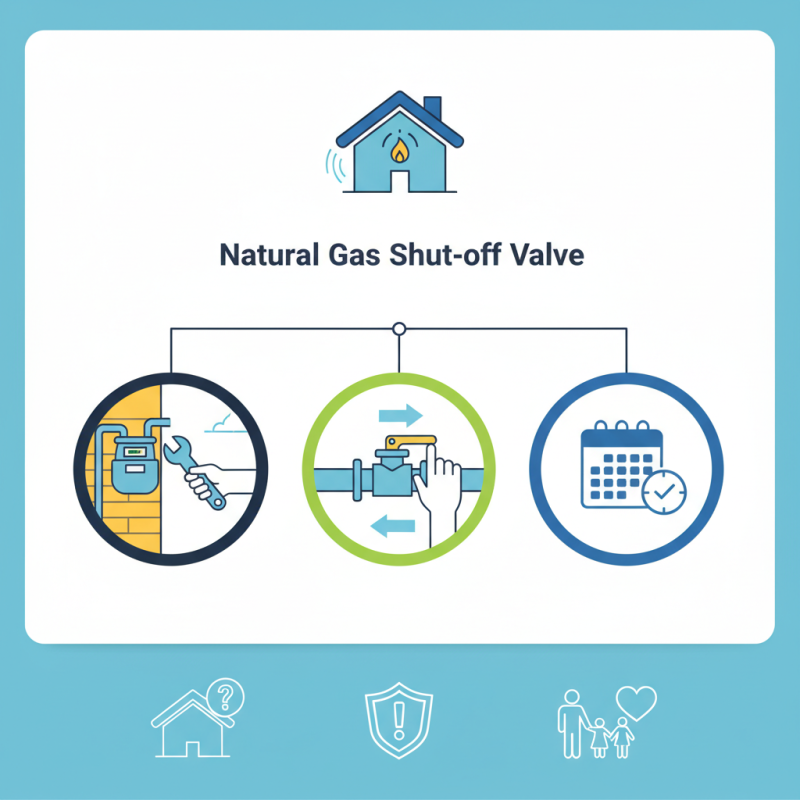
Locating your natural gas shut-off valve can be crucial for safety. In most homes, this valve is found near the gas meter. It may be in the basement, crawl space, or outside your property. If you can’t see the meter, check the utility room or the side of your house. Make sure to know its exact location; emergencies can happen at any time.
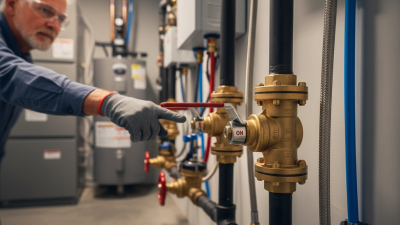
Once you’ve found the valve, ensure it’s accessible. Clear any clutter around it. This makes it easier to reach during an emergency. The valve typically looks like a round or rectangular knob. Turning it clockwise usually shuts off the gas supply. However, practice caution; if you smell gas, you should leave the area and call for help instead.
Regularly check the condition of the shut-off valve. It can rust or become stiff over time. If it’s difficult to turn, you may need maintenance. Understanding how to identify and operate the valve is essential. It can save lives in critical situations. Take time to familiarize yourself with this crucial safety feature.
Natural Gas Shut Off Valve Location and Usage Awareness
This chart illustrates the awareness of the location of natural gas shut off valves among different sectors, highlighting the importance of knowing where these valves are located for safety and emergency preparedness.
Step-by-Step Guide to Safely Turn Off the Natural Gas Supply
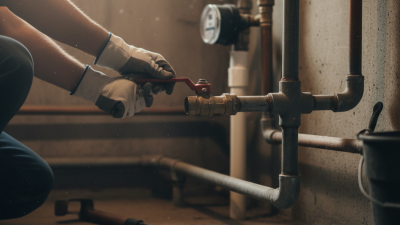
When you need to turn off the natural gas supply, safety is crucial. Start by locating the shut-off valve, usually found near the gas meter. This valve may be a wheel or lever type. Before proceeding, make sure you have a flashlight and wear gloves for protection.
To operate the valve, turn it clockwise until it stops. This position should cut off the gas flow. If you struggle, don't force it. Stop, take a breath, and reassess your technique. Improper handling could lead to leaks or other issues.
Tips: Always familiarize yourself with the valve location ahead of time. Practice turning it off periodically. If you have neighbors or family members, teach them too. This knowledge could be vital in an emergency. Remember, clear communication is key when dealing with emergencies.
Recognizing Signs of Natural Gas Leaks and Emergency Procedures
Recognizing the signs of a natural gas leak is crucial for safety. A rotten egg smell is the most common indicator. Sometimes, you might hear a hissing sound near gas lines. Also, check for dead plants around your property. This could signal a leak underground.
Tips: If you smell gas, act immediately. Open windows and doors to ventilate the area. Leave the premises quickly and avoid using electronic devices or flames.
If you suspect a leak, use your senses. Look for wisps of air or dust blowing from a crack. Sometimes, you may notice a bubbling in standing water. These signs often go unnoticed but can signal danger. Always trust your instincts; it’s better to be safe than sorry.
Before you turn off the natural gas valve, ensure the area is clear. If you can’t locate the valve, seek help. Remember, safety is paramount. Some people may hesitate to act due to fear or uncertainty. Don’t let this stop you from safeguarding your surroundings.
Tips for Regular Maintenance and Inspection of Gas Shut Off Valves
Regular maintenance of gas shutoff valves is crucial for safety. Over time, these valves can become rusty or corroded. It's essential to check them periodically to prevent any issues. Look for signs of wear, such as leaks or loose connections. A weekly visual inspection can save you from major problems later.
Cleaning is also important. Dust and debris can accumulate around the valve. Use a clean, dry cloth to wipe it down. Ensure that the valve operates smoothly. If it feels stuck, it may need a lubricant designed for such applications. However, avoid over-lubrication.
Consider scheduling professional inspections at least once a year. While some may feel confident checking the valves themselves, there can be hidden issues. A trained eye can spot potential risks that an untrained person might miss. Don't overlook the importance of these inspections; they could prevent dangerous situations.
Reflect on your current maintenance routine. Is it thorough enough? Make necessary adjustments.