Top 10 Pressure Regulator Suppliers for Global Buyers

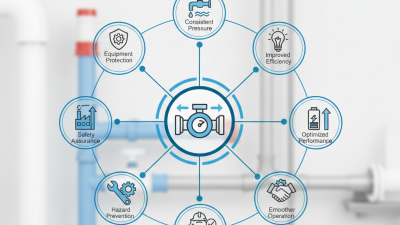
Choosing a reliable pressure regulator supplier is more complex than comparing catalog prices. Global buyers must examine performance, documentation, service coverage, and application experience.

A pressure regulator may look simple on a factory shelf. In operation, it manages changing inlet pressure, fluctuating demand, temperature shifts, and sometimes corrosive media. A small error can create unstable downstream pressure, noisy pipelines, wasted gas, or damaged equipment. As instrumentation author Dr. David W. Spitzer has noted, “Good pressure control begins with understanding the process, not merely selecting a valve.” That principle shapes this guide.

The following Top 10 Pressure Regulator Suppliers for Global Buyers are assessed through practical purchasing criteria. These include pressure range, flow capacity, Cv data, diaphragm and seal materials, temperature limits, testing procedures, and replacement-part availability. Certifications matter too, but certificates alone do not prove dependable field performance. Buyers should request inspection records, calibration details, traceability documents, and references from comparable installations.

Some suppliers excel in industrial gas systems. Others focus on water treatment, semiconductor manufacturing, medical gases, or energy facilities. The best choice depends on the process, not the logo. This list is useful, but not perfect. Regional service quality can change the buying experience dramatically. Lead times may also shift without warning.

Look closely at after-sales support. A responsive engineer can be more valuable than a lower initial quotation. Before placing an order, confirm connection standards, delivery terms, warranty coverage, and local technical assistance. That extra check may prevent an expensive pressure-control failure.

Top 10 Pressure Regulator Suppliers for Global Buyers

Pressure Regulator Fundamentals and Main Product Categories

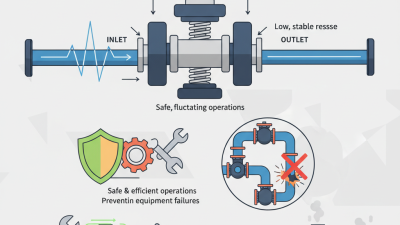
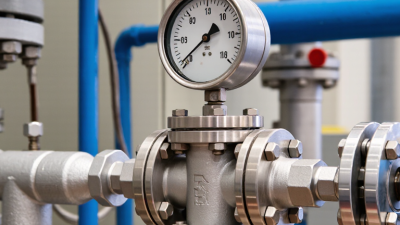
A pressure regulator reduces changing inlet pressure to a safer, usable outlet pressure. It works through a sensing element, spring, valve seat, and adjustment mechanism. When downstream pressure drops, the valve opens. When pressure rises, it closes toward the seat. This response is continuous, not magical. Field performance depends on flow demand, temperature, media cleanliness, and installation quality. A regulator can protect equipment, but it cannot replace a properly selected relief device.

The main categories include direct-acting, pilot-operated, and electronic proportional regulators. Direct-acting models suit moderate flows and simple systems. They are compact and easy to maintain. Pilot-operated designs handle higher flow with better pressure control, especially in process lines. Electronic regulators provide precise adjustment and feedback for automated equipment. Some units regulate gases, while others handle liquids or specialty fluids. Compatibility matters. Seal materials, body construction, and temperature limits must match the medium.

Sizing requires more than matching pipe threads. Buyers should review inlet pressure, target outlet pressure, flow range, pressure drop, and the required capacity coefficient. Watch for droop, which is the outlet pressure loss as flow increases. Lock-up pressure also deserves attention. Installation experience shows that oversized regulators may hunt, while undersized units create unnecessary restriction. The datasheet may look complete, yet real conditions can expose gaps. Recheck assumptions with measured operating data. Small errors here become expensive.

Top 10 Pressure Regulator Suppliers for Global Buyers

Pressure Regulator Fundamentals and Main Product Categories

Pressure regulators reduce variable upstream pressure to a controlled downstream set pressure. The chart shows representative outlet-pressure reference points for major regulator categories commonly used in global industrial, utility, process, and specialty-gas applications. Actual pressure ranges vary by medium, temperature, flow rate, connection standard, and safety requirements.

Criteria for Evaluating Global Pressure Regulator Suppliers

Top 10 Pressure Regulator Suppliers for Global Buyers

Evaluating pressure regulator suppliers requires more than comparing online prices. Check working pressure, flow capacity, temperature range, and media compatibility against your actual operating conditions. A supplier should provide clear datasheets, material specifications, calibration details, and repeatable test records. Vague numbers deserve questions.

Factory experience becomes visible in small details. Ask how each regulator is leak-tested, labeled, and traceable to a production batch. In humid facilities, stainless steel components may reduce corrosion concerns, but material selection still depends on the medium and installation environment.

Request samples before approving a large order. One sample can reveal thread damage, unstable adjustment, or poor gauge readability.

Certifications matter, yet paperwork is not proof of consistent performance. Verify applicable quality systems, inspection procedures, and third-party reports through reliable records. Review the supplier’s response time, spare-part availability, warranty terms, and technical support across time zones. Delivery history also matters; a low quotation becomes expensive when replacement parts arrive late. Ask for references from applications similar to yours, not only general customer lists.

No supplier is flawless. Some provide strong engineering but limited customization, while others offer fast delivery with weaker documentation. Compare total ownership cost, not just purchase price. A practical evaluation matrix can score safety, testing, communication, lead time, and after-sales support. Keep the scoring evidence-based, and record every unanswered question before selecting a supplier.

Profiles of the Top 10 Pressure Regulator Suppliers

Profiles of the Top 10 Pressure Regulator Suppliers

A German precision manufacturer serves chemical and process plants with stainless steel regulators. Its strengths include stable outlet pressure and detailed test records. A North American supplier focuses on gas distribution systems, offering compact models for laboratories and workshops. Ask for current material certificates. Another European company produces high-flow regulators for manufacturing lines, with strong documentation and configurable connections. Its published flow data still requires verification under real operating temperatures.

An Asian industrial supplier supports large-volume orders and offers regulators for water, air, and inert gases. Its pricing can be attractive, but inspection procedures deserve careful review. A Japanese specialist is known for clean-service designs and close machining tolerances. It suits semiconductor and medical production, where contamination control matters. A South Korean manufacturer supplies regulators for shipbuilding and energy equipment, including vibration-resistant assemblies. Field feedback should be checked before demanding installations.

An Italian supplier combines pressure regulators with monitoring accessories, helping maintenance teams track performance. A Canadian company emphasizes cold-climate operation and uses reinforced housings for outdoor systems. A Turkish manufacturer provides practical regulators for irrigation, compressed air, and general industrial use. It may offer flexibility, though customization can extend delivery times. An Indian supplier supports regional engineering projects with broad pressure ranges and repair services. Buyers should confirm spare-part availability, not only the initial quotation. No supplier fits every plant. Consistency matters. Verify certification scope, leak-test methods, warranty terms, and actual delivery records before approval.

Product, Certification, and Market Coverage Comparison

A practical review of the top ten pressure regulator suppliers should compare products, certifications, and market coverage equally. Product range reveals technical depth. Some suppliers focus on compact gas regulators for laboratories and kitchens. Others manufacture high-pressure units for hydrogen, process gas, steam, or water systems. Key checks include inlet pressure, outlet stability, flow capacity, temperature range, materials, and service life. Stainless steel bodies often suit corrosive environments, while brass models may support cost-sensitive installations.

Certification evidence matters more than impressive catalog language. Reliable suppliers should provide traceable test reports, quality-system records, and clear declarations for applicable markets. ISO 9001 can indicate controlled production, but it does not prove every regulator performs equally. Depending on the application, buyers may review CE, PED, ATEX, ASME, or regional gas-safety requirements. Documentation should match the exact model, not only the factory.

Market coverage also affects purchasing risk. A supplier with local warehouses may reduce delivery delays and spare-part shortages. Strong technical support should include sizing advice, installation guidance, calibration information, and multilingual documentation. Supplier comparisons often overlook after-sales response time. That is a weakness. A lower price may become expensive when replacement seals take weeks to arrive. Buyers should request sample certificates, warranty terms, pressure-test records, and references from similar industries. Claims still need verification.

Top 10 Pressure Regulator Suppliers for Global Buyers - Product, Certification, and Market Coverage Comparison
Rank Supplier Profile Primary Product Portfolio Typical Inlet Pressure Range Outlet Pressure Range Control Configuration Connection Standards Common Certifications Key Industries Served Market Coverage Typical Buyer Positioning
1 Supplier Profile 01 Gas regulators Process regulators Pilot-operated units Up to 420 bar / 6,090 psi 0.1–250 bar / 1.5–3,626 psi Spring-loaded and pilot-operated Threaded, flanged, welded ISO 9001; PED 2014/68/EU; ATEX options Oil and gas, chemical processing, hydrogen, power generation North America, Europe, Middle East, Asia-Pacific High-specification industrial and energy projects
2 Supplier Profile 02 Utility gas regulators Safety shut-off valves Service regulators Up to 100 bar / 1,450 psi 10 mbar–25 bar / 0.15–363 psi Direct-acting and slam-shut Threaded and flanged ISO 9001; PED 2014/68/EU; EN 334-related applications Gas distribution, commercial buildings, industrial combustion Europe, Latin America, Africa, Asia-Pacific Municipal gas networks and medium-pressure distribution
3 Supplier Profile 03 Compact regulators Instrument regulators Panel-mounted units Up to 414 bar / 6,000 psi 0–100 bar / 0–1,450 psi Single-stage and two-stage NPT, BSP, tube fittings, SAE ISO 9001; CE-marked configurations; RoHS-related product compliance Laboratory equipment, medical gas, instrumentation, semiconductor manufacturing North America, Europe, East Asia, Southeast Asia OEM integration and precision gas control
4 Supplier Profile 04 Steam regulators Water pressure regulators Control valves Up to 40 bar / 580 psi 0.2–25 bar / 3–363 psi Self-operated and externally piloted Flanged, threaded, grooved options ISO 9001; PED 2014/68/EU; ASME-related designs HVAC, building services, food processing, water treatment Europe, North America, Middle East, Asia-Pacific Commercial facilities and utility systems
5 Supplier Profile 05 High-purity regulators Diaphragm regulators Gas cabinets Up to 350 bar / 5,076 psi 0.03–70 bar / 0.4–1,015 psi Metal diaphragm and bellows-sealed VCR, face-seal, tube, NPT ISO 9001; ISO 14644-related cleanroom applications; CE options Semiconductor, pharmaceutical, research, specialty gases East Asia, North America, Europe, global OEM channels High-purity and contamination-sensitive applications
6 Supplier Profile 06 Air regulators Filter-regulators Pneumatic assemblies Up to 20 bar / 290 psi 0.1–16 bar / 1.5–232 psi Relieving and non-relieving G, R, NPT, push-in tube connections ISO 9001; CE; RoHS-related product compliance Factory automation, packaging, machinery, process control Europe, North America, China, India, Southeast Asia High-volume industrial automation and OEM supply
7 Supplier Profile 07 Hydraulic regulators Pressure-reducing valves Cartridge valves Up to 420 bar / 6,090 psi 5–350 bar / 73–5,076 psi Direct-acting and pilot-operated BSP, SAE, metric, manifold-mounted ISO 9001; CE options; application-specific machinery compliance Mobile hydraulics, construction equipment, agriculture, material handling North America, Europe, China, India, Latin America Mobile equipment and customized hydraulic systems
8 Supplier Profile 08 Natural-gas regulators LPG regulators Appliance regulators Up to 25 bar / 363 psi 2.5 mbar–4 bar / 0.04–58 psi Direct-acting and safety shut-off Threaded, flanged, appliance connections ISO 9001; CE; EN 161/EN 334-related applications Residential gas, commercial kitchens, heating equipment, utilities Europe, Middle East, Africa, Latin America, Asia-Pacific Cost-sensitive gas appliance and utility projects
9 Supplier Profile 09 Cryogenic regulators Vacuum-jacketed systems Specialty gas equipment Up to 350 bar / 5,076 psi 0.5–100 bar / 7–1,450 psi Diaphragm, piston, and pilot-operated Welded, tube, face-seal, flanged ISO 9001; PED 2014/68/EU; TPED-related configurations Industrial gases, LNG, healthcare, aerospace, laboratory systems North America, Europe, East Asia, Middle East Low-temperature and specialty-gas applications
10 Supplier Profile 10 Water regulators Backflow protection Irrigation regulators Up to 25 bar / 363 psi 1–16 bar / 15–232 psi Spring-loaded and pilot-operated Threaded, flanged, compression fittings ISO 9001; CE; WRAS/NSF-related configurations where applicable Water distribution, irrigation, plumbing, municipal infrastructure Europe, North America, Australia, Middle East, Asia-Pacific Infrastructure, building services, and agricultural water systems
Comparison basis: representative product ranges and certification categories commonly used in international pressure-regulator procurement. Actual pressure ratings, approvals, materials, connection options, and regional availability vary by model, media, temperature, and local regulatory requirements. Buyers should verify the latest technical datasheets and certificates before issuing a purchase order.

Purchasing Considerations for International Buyers

International buyers should judge pressure regulator suppliers beyond price and catalog range. A suitable shortlist begins with the actual medium, inlet pressure, outlet range, flow demand, and temperature. Write these values into the inquiry. A regulator for clean compressed air may fail in oxygen service or corrosive gas. Ask for wetted-material details, seal options, response data, and tested accuracy. Avoid vague terms such as “industrial grade.”

Documentation often separates a dependable supplier from a risky one. Request current datasheets, dimensional drawings, material certificates, inspection records, and calibration evidence. Check whether certificates match the exact model and production batch. For international shipments, confirm packaging, labeling, export documents, Incoterms, and customs responsibilities before payment. Local approval may also apply. Verify it with a qualified compliance professional in the destination market. Do not assume one certificate satisfies every country.

Lead time deserves practical testing. Ask for a realistic schedule, not the fastest promise. Clarify minimum order quantities, replacement parts, repair procedures, warranty limits, and technical response time. A low purchase price can become expensive when one seal delays a production line. Request a sample or pilot order when process conditions are uncertain. That step costs more upfront, but it exposes poor fit early. I would also score communication quality; unclear replies usually create larger problems after delivery. Still, scoring systems are imperfect. Keep written assumptions, and revise them after field feedback.