Top 10 Pressure Safety Valve FAQ for Global Buyers
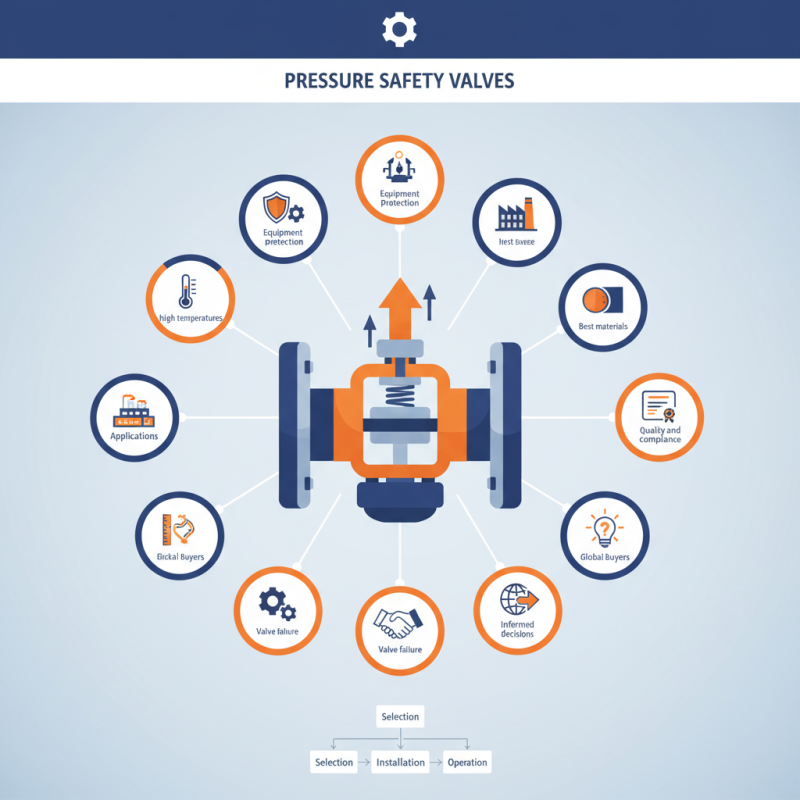
Choosing the right pressure safety valve can be daunting. With many options available, understanding their functionality is essential. A pressure safety valve is crucial in protecting equipment from overpressure conditions. This essential device prevents catastrophic failures in various industries such as oil and gas, manufacturing, and power generation.
Buyers often have questions about pressure safety valves. What materials are best suited for high temperatures? How do you determine the correct sizing? Recognizing these key factors is vital for performance and reliability. Buyers should prioritize quality and compliance with industry standards. This knowledge fosters trust in the products selected.
As an experienced buyer, you may still encounter uncertainties. What if a valve fails? How do you ensure maintenance is adequate? Reflecting on these aspects is crucial for long-term safety. In this article, we cover the top ten frequently asked questions about pressure safety valves. Our aim is to equip global buyers with the knowledge needed for informed purchasing decisions.
What are Pressure Safety Valves and Their Importance in Safety?
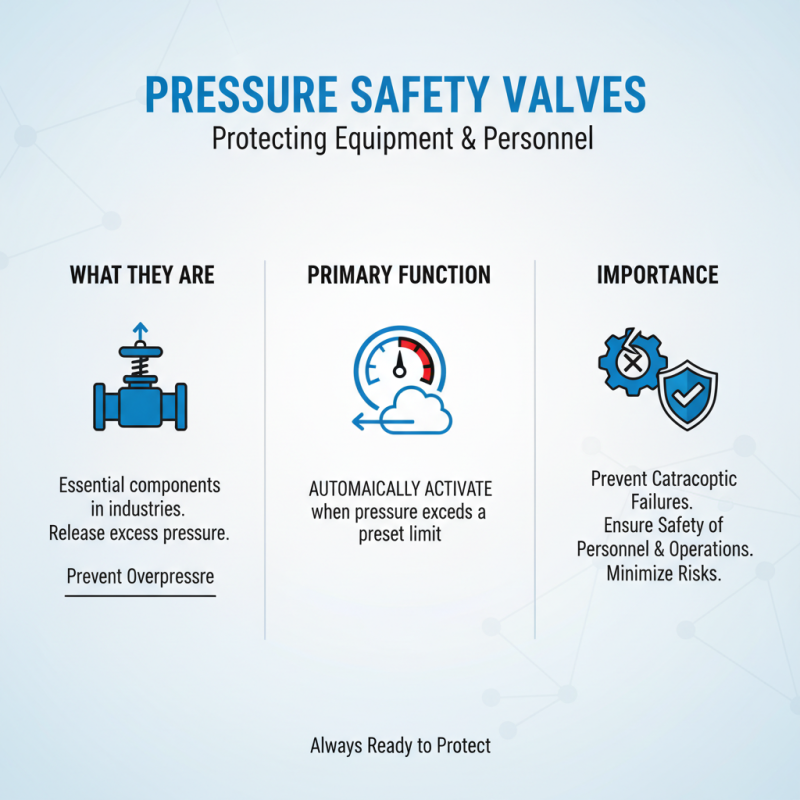
Pressure safety valves are essential components in various industries. Their primary function is to protect equipment from overpressure by releasing excess pressure. This helps prevent catastrophic failures and ensures the safety of both personnel and operations. Whenever pressure levels rise beyond a predefined limit, these valves activate to minimize risks.
When selecting a pressure safety valve, consider the process conditions. The set pressure must align with your system requirements. Incorrect settings can create dangerous situations. Regular maintenance is crucial to ensure reliability. A malfunctioning valve can lead to severe accidents, underscoring the need for routine checks.
Tip: Always have a qualified technician inspect your pressure safety valves. This reduces the risk of unexpected failures. Keep a detailed log of inspections and maintenance activities. Documentation helps track performance over time, making it easier to identify issues. Understanding the importance of these valves is critical. With proper care, they can effectively safeguard your operations against unforeseen pressures.
How to Choose the Right Pressure Safety Valve for Your Application?
Choosing the right pressure safety valve is critical for ensuring safety and efficiency. Start by assessing your specific application requirements. Consider factors like pressure settings, capacity, and the medium involved. Ensure the valve material is compatible with the fluid it will handle. This is vital to prevent corrosion and system failures.
Understand the operating environment where the valve will be installed. Extreme temperatures or hazardous conditions can significantly affect valve performance. Regular maintenance is necessary but can sometimes be overlooked. Inspections can reveal issues before they become critical. Don't underestimate the importance of following the manufacturer’s guidelines for installation and operation.
While many safety valves look similar, their functions can differ greatly. Familiarize yourself with the different types and their specific applications. Researching common industry practices can provide valuable insights into the best valve choice. Engage with knowledgeable professionals and seek advice when in doubt. This step can help you avoid common pitfalls that arise from improper selections.
Common Types of Pressure Safety Valves and Their Functions
Pressure safety valves (PSVs) are vital components in many industries. They prevent equipment from being damaged due to excessive pressure. Understanding the common types of PSVs helps buyers make informed choices.
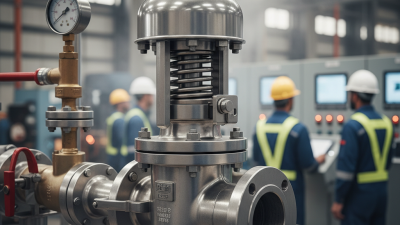
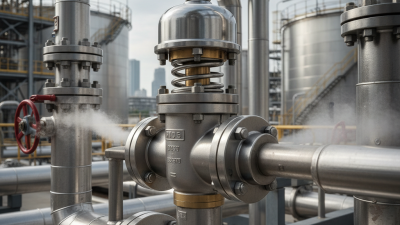
One popular type is the spring-loaded pressure relief valve. These valves use a spring to hold a disk against a seat. When pressure rises too high, the disk opens, allowing excess pressure to escape. These valves are reliable but can be prone to wear over time.
Another common variety is the pilot-operated safety valve. These use pilot signals to control the main valve. This type can manage larger flows more efficiently. However, they may require more maintenance due to their complexity. Recognizing these differences helps users select the right valve for their specific needs.
Pressure Safety Valve Types and Their Functions
What are the Key Standards and Regulations for Pressure Safety Valves?
When it comes to pressure safety valves (PSVs), understanding the key standards and regulations is crucial for global buyers. Pressure safety valves must adhere to various international standards like ASME, API, and ISO. These organizations provide guidelines ensuring safety and reliability in operations. According to a report by the International Society of Automation (ISA), nearly 30% of industrial accidents stem from improper valve functioning. Ensuring compliance with standards like ASME BPVC Section VIII is essential.
Tip: Always request documentation for compliance verification. This ensures reliability from manufacturers and mitigates risks.
Another essential aspect is the periodic testing and maintenance of valves. The National Board of Boiler and Pressure Vessel Inspectors recommends testing PSVs at least annually. Many facilities overlook this, potentially leading to failures. The lack of adherence to these guidelines can put entire operations at risk.
Tip: Create a detailed maintenance schedule. Regular checks can prevent unexpected downtimes and boost efficiency.
In conclusion, staying informed about regulations and implementing thorough maintenance plans is vital. Understanding the implications of non-compliance can lead to significant safety hazards and economic losses.
Top 10 Pressure Safety Valve FAQ for Global Buyers - Key Standards and Regulations
| No. |
Question |
Key Standards |
Regulatory Body |
| 1 |
What is a Pressure Safety Valve? |
ASME BPVC Section I |
American Society of Mechanical Engineers |
| 2 |
What are the common applications of PSVs? |
API 520/521 |
American Petroleum Institute |
| 3 |
How to select a Pressure Safety Valve? |
ISO 4126 |
International Organization for Standardization |
| 4 |
What is the difference between a PSV and a PRV? |
ASME Section VIII |
American Society of Mechanical Engineers |
| 5 |
What are the installation requirements for PSVs? |
ASME PTC 25 |
American Society of Mechanical Engineers |
| 6 |
What maintenance is required for PSVs? |
API 576 |
American Petroleum Institute |
| 7 |
What materials are commonly used in PSVs? |
ASTM A105 |
American Society for Testing and Materials |
| 8 |
How often should PSVs be tested? |
ASME Code |
American Society of Mechanical Engineers |
| 9 |
What are the common causes of PSV failure? |
NACE MR0175 |
National Association of Corrosion Engineers |
| 10 |
What is the process for PSV certification? |
ISO 9001 |
International Organization for Standardization |
How to Maintain and Troubleshoot Pressure Safety Valves Effectively?
Maintaining and troubleshooting pressure safety valves is crucial for ensuring safe operations across industries. Regular maintenance helps avoid failures and potential hazards. It’s essential to perform routine inspections to identify any visible signs of wear or corrosion. This proactive approach not only enhances the longevity of the valve but also ensures reliability in pressure management.
Tips: Schedule regular inspections at set intervals. Look for leaks, unusual noises, or vibrations. These can indicate issues needing immediate attention.
When troubleshooting, consider common problems. Valves may fail to open or close correctly, often stemming from debris or internal damage. Entangled debris can obstruct valve movement, while seating issues may arise from wear over time. Testing the valve frequently can help detect these issues early.
Tips: Use cleaning tools designed specifically for valve maintenance. Ensure you have a checklist for troubleshooting common valve problems. This practice can streamline your process.
While maintaining pressure safety valves, it’s important to reflect on past maintenance records. Noting recurring issues can guide future strategies. This reflection helps to develop a well-informed maintenance plan tailored to your specific systems.